
-


Follow Us

 On Facebook
 On Flipboard
 On Twitter
 Free Newsletters
 On YouTube
Los Angeles Dodgers News / Yardbarker / 18 minutes ago

Shohei Ohtani has been everything the Dodgers could've hoped for and more
Shohei Ohtani hasn't been a Los Angeles Dodger for long, but he's already proving to be worth the $700M investment.
The 'No. 1 overall NFL Draft picks' quiz
How many of the No. 1 overall picks from the NFL Draft since 1966 can you name in six minutes?
NFL News / Yardbarker / 1 hour ago

Identifying likely and unlikely NFL Draft night trade scenarios
Will the Bengals trade Tee Higgins? Will the Cardinals trade back?


NBA News / Yardbarker / 51 minutes ago

Watch: Heat set franchise record in Game 2 victory vs. Celtics
It felt like the Miami Heat couldn't miss in Game 2 against the Boston Celtics.

NHL News / Yardbarker / 1 hour ago

Brad Marchand gets winner as Bruins beat Leafs to go up 2-1 in series
Boston Bruins captain and super pest Brad Marchand certainly led his team on Wednesday night.
MLB News / Yardbarker / 8 minutes ago

Watch: Braves walk-off Marlins in wild NL East battle
The Braves-Marlins game on Wednesday night probably shouldn't have gone into extra innings, but the Braves persevered after a weird error to walk it off in the bottom of the 10th.

Trey Hendrickson News / Yardbarker / 40 minutes ago

Potential landing spots for Bengals Pro Bowl DE Trey Hendrickson
Standout defensive end Trey Hendrickson has requested a trade from the Bengals. Who might be first in line for his services?
NBA News / Yardbarker / 1 hour ago
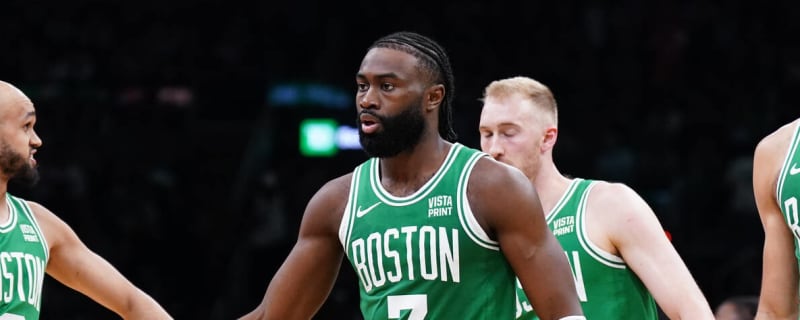
Watch: Jaylen Brown leads Celtics on 11-point run before halftime
Boston Celtics shooting guard Jaylen Brown is on a mission this postseason.
NBA News / Yardbarker / 4 minutes ago

Watch: Heat's hot streak gives Celtics flashbacks to last year's playoffs
The Heat made eight three-pointers in the first quarter Wednesday night.



Minnesota Timberwolves News / Yardbarker / 49 minutes ago
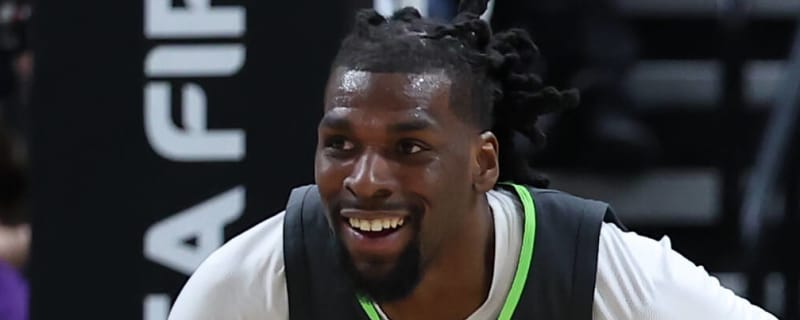
Timberwolves C overcomes long odds, wins Sixth Man of the Year
ESPN Bet's X account listed him at +7500 to win Sixth Man of the Year before the season began. He beat Sacramento Kings guard Malik Monk by two first-place votes, a narrow margin.
NHL News / Yardbarker / 7 minutes ago
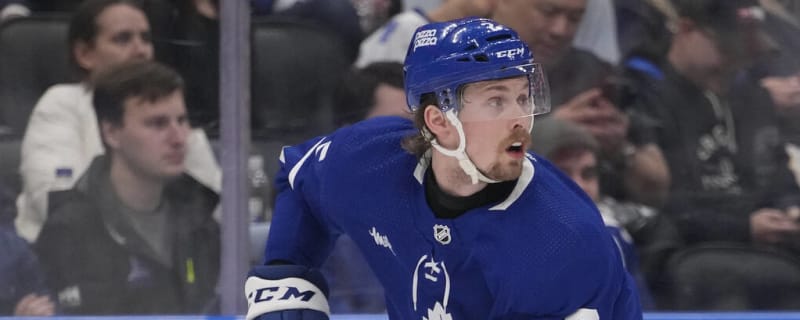
Watch: The Maple Leafs turn up the physicality in Game 3 vs. Bruins
Following physical battles in Game 1 and Game 2 of their opening-round playoff series, the Maple Leafs and Bruins somehow found a way to kick things up a notch in Game 3 on Wednesday.

Oregon Ducks News / Yardbarker / 1 hour ago
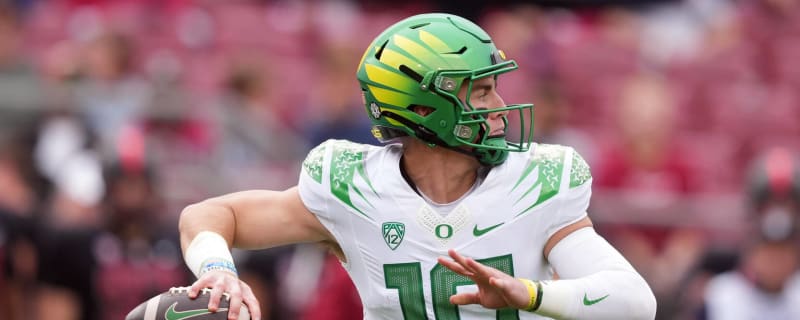
Vikings reportedly have QB contingency plan if trade-up falls through
The Minnesota Vikings to move up to draft a quarterback, but what will they do if the price is just too steep?


The 'Heisman Trophy winners' quiz
How many Heisman winners from the 21st century can you name in five minutes?
North Carolina Tar Heels News / Yardbarker / 14 minutes ago

Informal insider poll reveals consensus opinion on Patriots draft strategy
The New England Patriots could still move in a number of directions with the No. 3 overall pick in the NFL Draft.

Washington Commanders News / Gridiron Heroics / 0 minutes ago

Commanders suddenly cut pass-rusher after NFL reinstatement
On Monday, the Commanders released a defensive end, confusing many fans.


NFL News / Yardbarker / 12 hours ago
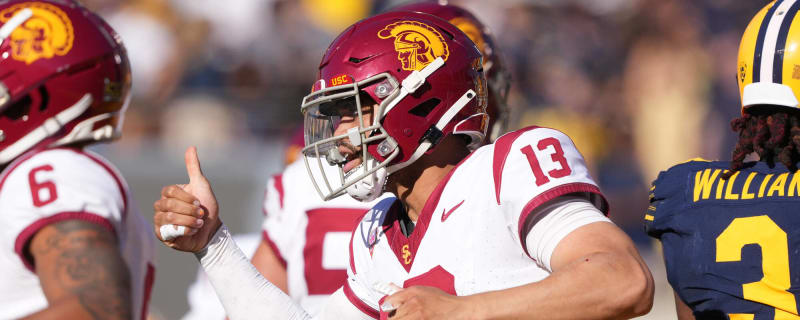
NFL Draft intel: Bold predictions for every NFC team
Bold predictions for every NFC team as the NFL Draft nears.

Pittsburgh Pirates News / Yardbarker / 9 minutes ago

Watch: Pirates prospect Paul Skenes' remarkable streak ends
Many fans wonder how long it will take before the Pirates call up the generational prospect.
NFL News / Yardbarker / 31 minutes ago

Three NFL Draft prospects who could fall out of first round
Here are three projected first-rounders who could wake up Friday morning without an NFL home.
Philadelphia 76ers News / Yardbarker / 3 hours ago

76ers All-Star reveals hilarious details of how he learned he won major award
Philadelphia 76ers guard Tyrese Maxey earned his first major individual award on Tuesday night, edging out Chicago Bulls guard Coby White to earn Most Improved Player honors.

Pittsburgh Steelers News / Yardbarker / 3 hours ago
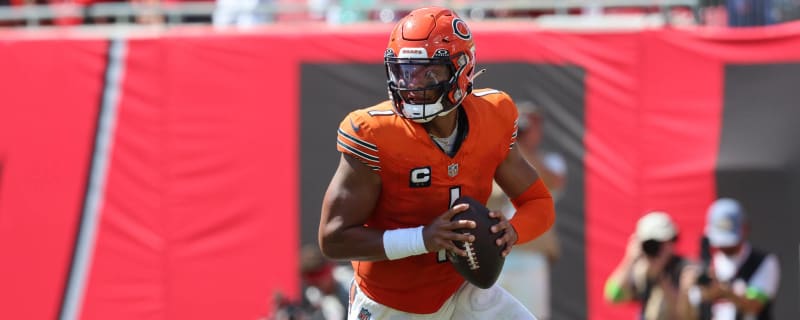
Why it makes sense that the Steelers declined QB Justin Fields' fifth-year option
Three reasons why the Pittsburgh Steelers might have declined the fifth-year option of QB Justin Fields.
NFL News / Yardbarker / 14 minutes ago

Bill Belichick to play prominent role on ESPN's 'Manningcast' in 2024
Former New England Patriots head coach Bill Belichick may not be on an NFL sideline in 2024, but that doesn’t mean you won’t see him on television during NFL games.


Liverpool FC News / Yardbarker / 2 minutes ago

The pros and cons of Arne Slot, Liverpool's potential Jurgen Klopp successor
What should the Liverpool faithful expect if their club brings in Arne Slot as their next manager?

San Francisco Giants News / Yardbarker / 4 hours ago

Reigning Cy Young winner's disastrous 2024 continues
Blake Snell's no good, very bad 2024 just keeps being no good and very bad.
Detroit Lions News / Yardbarker / 9 hours ago
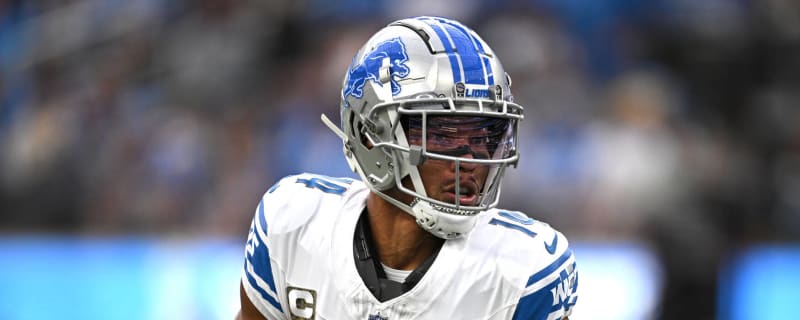
Lions extension makes Amon-Ra St. Brown the NFL's highest-paid receiver
Detroit Lions WR Amon-Ra St. Brown was just a fourth-round draft pick coming out of USC in 2021. He has since taken the NFL by storm and has now been rewarded for that brilliance.
College Football News / Yardbarker / 1 hour ago

Ranking all 18 Michigan prospects in the 2024 NFL Draft
Michigan is going to have a presence (and then some) at the 2024 NFL Draft. Ranking the prospects coming out of Ann Arbor.
NFL News / Yardbarker / 11 hours ago

NFL Draft intel: Bold predictions for every AFC team
Every NFL Draft has a huge surprise or three, so what about this year's draft in Detroit? Will a team surprisingly pass on touted Georgia tight end Brock Bowers in the first round?
NFL News / Yardbarker / 7 hours ago

Peyton Manning rips Jets for failing QB Zach Wilson
Peyton Manning isn't a fan of how the New York Jets went about the handling of QB Zach Wilson's development. Wilson will now try for a new start with the Denver Broncos.



Indianapolis Colts News / Yardbarker / 1 hour ago

Colts owner Jim Irsay denies report regarding serious health issue
Colts owner Jim Irsay addressed a report regarding his health issues during a recent interview with Fox 59's Mike Chappell.
College Football News / Yardbarker / 13 hours ago
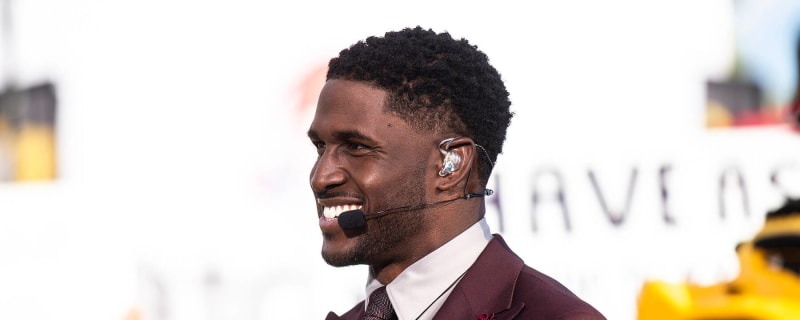
Heisman Trust's Reggie Bush decision another sign of NCAA's diminishing power
The Heisman Trust just stiff-armed the NCAA.
USC Trojans News / Larry Brown Sports / 10 hours ago

Reggie Bush gets major news about his forfeited Heisman Trophy
Reggie Bush has been fighting for years to get his Heisman Trophy back.
Carter Verhaeghe News / Yardbarker / 7 hours ago

Watch: Carter Verhaeghe nets another OT winner for Panthers
Carter Verhaeghe did it again.
New Orleans Pelicans News / Yardbarker / 10 hours ago

Pelicans' Zion Williamson provides major update on hamstring injury
Williamson played a career-high 70 games for the Pelicans during the regular season and was poised to make his playoff debut this year.
San Francisco 49ers News / Yardbarker / 0 minutes ago

Insider shares what 49ers told Deebo Samuel about his trade status ahead of draft
The 49ers made their future plans clear to the standout wide receiver.



New York Yankees News / Yardbarker / 17 hours ago

Yankees' Juan Soto discusses struggles of Aaron Judge
All-Star outfielder Juan Soto is the latest member of the New York Yankees to insist that fellow slugger Aaron Judge will break out of his slump sooner than later.
NBA News / Yardbarker / 7 hours ago
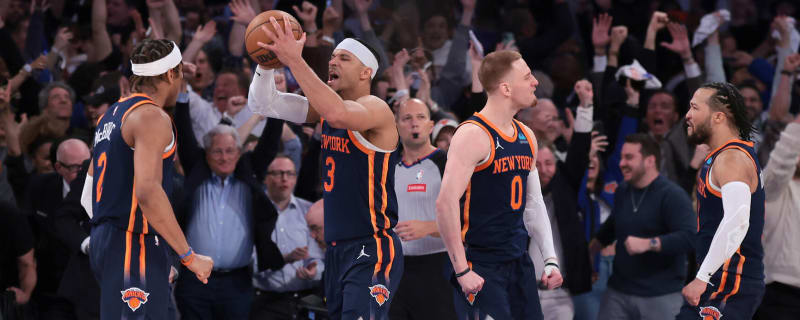
NBA admits several missed calls at end of Knicks-76ers Game 2
The NBA released its Last Two-Minute Report from Monday's games, and there was a pretty extensive list of missed calls in the New York Knicks' 104-101 Game 2 win over the Philadelphia 76ers.

Purdue Boilermakers News / Yardbarker / 11 hours ago

NBA Draft analyst shares positive outlook on Zach Edey's pro potential
Two-time college basketball Player of the Year Zach Edey officially declared for the NBA Draft on Tuesday, and the intriguing pro prospect already has one fan.
San Antonio Spurs News / Yardbarker / 9 hours ago

Spurs rookie voted best defender in the NBA by his peers
Victor Wembanyama admittedly reached only 15% of his final form as a rookie.
USC Trojans News / Yardbarker / 9 hours ago
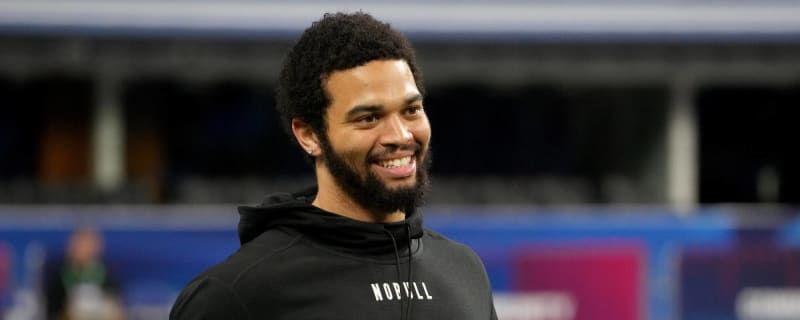
Bears GM addresses 'Hollywood' concerns about Caleb Williams
During his pre-draft visit with the club this spring, Caleb Williams had dinner with multiple veteran Bears players. GM Ryan Poles indicated those players gave Williams a passing grade.

Detroit Tigers News / Yardbarker / 10 hours ago

Tarik Skubal is unbeatable if the Tigers give him run support
In five starts so far this season, Skubal has a 3-0 record with a 1.82 ERA and a 0.74 WHIP.


Breaking News
Customize Your Newsletter
 +
+

Get the latest news and rumors, customized to your favorite sports and teams. Emailed daily. Always free!
This site is protected by reCAPTCHA and the Google Privacy Policy and Terms of Service apply.


